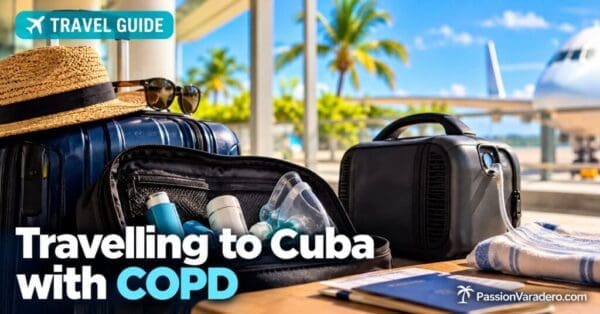
Cuba’s heat, humidity, smoke, dust, respiratory infections and limited access to specialized supplies can make chronic obstructive pulmonary disease harder to manage. Good preparation is especially important if you have had a recent flare-up, use home oxygen or become short of breath with limited activity.
Ask your doctor whether you are fit to travel
Arrange a medical review before booking or departure. Discuss your recent symptoms, oxygen levels, exercise tolerance, vaccination status and whether flying could worsen low oxygen levels. Your doctor may recommend testing or a fit-to-fly assessment.
- Request a written COPD action plan.
- Ask when to start rescue medication.
- Confirm which symptoms require emergency care.
- Review inhaler technique.
- Ask whether you need antibiotics or steroids as a standby prescription.
Pack inhalers and medication correctly
Bring enough maintenance and rescue inhalers for the entire trip plus a reserve supply. Keep them in hand luggage in their original packaging. Carry spacers, nebulizer parts and batteries if used.
- Bring a medication list using generic names.
- Carry a doctor’s letter explaining your condition and equipment.
- Check inhaler counters before departure.
- Protect medication from extreme heat and direct sun.
- Do not rely on Cuban pharmacies to stock your exact device or formulation.
Travelling with oxygen
Airlines have specific rules for portable oxygen concentrators. Contact the airline well in advance and confirm which models are approved, how many batteries are required and what medical forms must be completed.
Also confirm how oxygen will be available at your hotel, during transfers and on excursions. Never assume cylinders, concentrator servicing or replacement cannulas will be readily available locally.
Managing heat and humidity
Plan outdoor activities early in the morning or later in the day. Use air-conditioned areas for recovery, drink safe fluids regularly and avoid rushing between locations. Humidity can make breathing feel more difficult even when oxygen levels remain stable.
Avoid common respiratory triggers
- Cigarette and cigar smoke.
- Vehicle exhaust and generator fumes.
- Dust from roads or construction.
- Strong cleaning products and fragrances.
- Cold air blowing directly from air-conditioning.
- People with respiratory infections.
Emergency warning signs
- Breathlessness that does not improve with rescue medication.
- Blue or grey lips or fingertips.
- Confusion, severe drowsiness or fainting.
- Chest pain.
- Rapidly worsening cough, fever or change in mucus.
- Oxygen readings below the threshold given by your doctor.
Insurance and hotel planning
Declare COPD and oxygen use when purchasing travel insurance. Verify that your room can be reached without excessive stairs, that elevators are reliable and that transfers can accommodate your equipment.
Related Cuba health guides
See our guides on travelling to Cuba with asthma, using CPAP equipment in Cuba and wheelchair and mobility planning.
This information is for travel preparation only and does not replace personal medical advice.
📩 Abonnez-vous à notre Newsletter
Recevez directement nos dernières nouvelles, bons plans et astuces de voyage à Cuba 🌴